
TSE & Partners PLT
Accounting firm established in the 1980s in Kuala Lumpur.

Keep your accounting records organised and turn them into reports your business can use.
TSE & Partners PLT offers accounting and bookkeeping support through associates for Malaysian SME owners and directors, including businesses in Kuala Lumpur. The work can cover recurring bookkeeping, cloud accounting, full-set accounting, management reporting, financial-statement compilation, consolidated accounts and catch-up cleanup, with the working scope set around your records and reporting needs.
Accounting firm established in the 1980s in Kuala Lumpur.
Accounting and bookkeeping work is delivered through associates, with the associate, reviewer and contact made clear for each engagement.
Monthly, quarterly or annual bookkeeping can follow the business's records and reporting rhythm.
Records, reports, statements and group-accounting work are shaped around the decisions the business needs to make.
Invoices in different places, unmatched bank transactions and unfinished accounts can leave gaps in your reporting. Accounting and bookkeeping support helps organise the available records, identify outstanding items and prepare the reports agreed for your business.
The flow can include journals, ledgers, reconciliations and period close. It suits owner-managed businesses that need a regular finance workflow, or teams that need extra capacity during growth. The engagement sets the periods, responsibilities, review points and outputs.
Regular bookkeeping can leave an up-to-date record for reporting or year-end work. Choose monthly, quarterly or annual bookkeeping according to transaction rhythm and decision needs. The agreed service states which records are processed, which reconciliations are performed and what the owner receives.
Owners and advisers work from a shared view of the records, with responsibility for source records made clear. Software selection, migration, training and technical support are outside this ongoing accounting service.
This gives owners, directors and other authorised users a clear record of the business's financial position and performance. Work begins with the records available and reporting date. The engagement states the statements and supporting schedules to be prepared.
It suits parent companies and groups that need one view across entities. The work uses the supplied group structure and source records before agreed group figures are presented.
Give owners and directors a useful view between annual statements. The format may be a concise monthly pack or another agreed reporting cycle. We agree the reporting format, measures and timetable around the decisions you need to make.
The work can sort available documents and create a list of items still needing evidence. It suits businesses that have changed staff, paused bookkeeping or inherited incomplete records. Scope distinguishes items resolved from items left open.

You need a repeatable way to capture sales, purchases, expenses and bank activity without losing sight of the items still outstanding. A regular bookkeeping cycle can leave your records easier to review and give the next reporting task a clearer starting point.

You need more finance capacity as transactions, people and decisions increase. Outsourced accounting, full-set work or management reporting can give the business a defined workflow while responsibilities remain visible to the owner and director.

You need a group view across related entities and a clear way to bring parent and subsidiary records together. Consolidation work can organise intercompany balances, periods, currencies and policies so the agreed group reports are easier to review.
Tell us the entity type, period, current record position and decisions the reports need to support.
Review the available source documents, missing items, unfinished periods and questions that need to be resolved.
Set the service, cadence, record-sharing method, access, reviewer, timetable and intended outputs.
Complete the bookkeeping, accounting, reporting, compilation, consolidation or cleanup work included in the engagement, then review the agreed outputs with the named contact.
There is no single public price that fits every accounting engagement. The discussion should cover:
Scroll sideways to see all columns.
| What we assess | Why it affects the scope |
|---|---|
| Entity and group structure | More entities may require separate records, reporting or consolidation work. |
| Period and record condition | A current cycle differs from a multi-period catch-up or cleanup review. |
| Transaction pattern and volume | The record flow affects the cadence, review points and time required. |
| Reporting outputs | Management accounts, compilation and consolidation have different preparation needs. |
| Cloud environment and access | The parties need a clear working environment and responsibility for access. |
| Records still outstanding | Missing documents can change the review and cleanup work required. |
The associate can explain the resulting scope after reviewing the business's records and reporting needs.
Scroll sideways to see all columns.
| Cycle | When it may fit | What the work can cover |
|---|---|---|
| Monthly | The business needs regular records and a closer review rhythm. | Current sales, purchases, expenses, bank activity, reconciliations and an agreed reporting pack. |
| Quarterly | The business can work with periodic updates and a wider review interval. | A defined three-month period, outstanding-item review and reports agreed for that cycle. |
| Annual | The business needs an annual records review, compilation or defined catch-up work. | The financial year, available records, unresolved items and the agreed annual output. |
The suitable cycle follows the business's records and decisions. It is set in the engagement rather than assumed from a label.
There is no single public price because outsourced work changes with the entity structure, period, transaction pattern, records, reporting outputs and review responsibility. A scope discussion gives the associate the information needed to explain the work and fee, including whether the business needs full-set accounting, recurring bookkeeping, reports or catch-up support.
Bookkeeping records and organises transactions such as sales, purchases, expenses and bank activity. Accounting uses those records for reconciliations, reporting, compilation, consolidation or other agreed outputs. The engagement can include one or both, depending on the business's needs.
Prepare the entity details, period, sales and purchase records, bank statements, invoices, bills, prior reports, trial-balance information and a list of outstanding items. The associate confirms the final list.
Yes. Monthly, quarterly and annual cycles are available options. The suitable cycle depends on transaction rhythm, record quality, reporting need and the period being brought up to date.
It covers ongoing maintenance of records, reconciliations and agreed reports in the client's existing cloud environment. The work keeps a shared view current while access and source-record responsibilities stay clear. Software selection, migration, training and technical support are outside this ongoing accounting service.
Yes, when the records and period support the work. Catch-up can organise outstanding transactions, identify unresolved balances and separate items that still need evidence. The output and review points are set before preparation begins.
Yes, when the business has an agreed reporting question and the source records support it. Management reporting can turn an agreed period's records into a report for a defined decision, with the format, measures and review points set before preparation begins.
Yes, where the group structure, reporting periods, currencies, accounting policies and source records are available for the engagement. The work can organise intercompany balances and present the agreed group view.
Accounting and bookkeeping work is offered through associates. The engagement identifies the service provider, responsible reviewer, customer-facing contact, records required, review process and outputs so the business knows how the work will move.
No. A compilation engagement is not an assurance engagement and does not provide an audit opinion or review conclusion.
See the IFAC discussion of ISRS 4410 compilation engagements for the distinction.
Practical explanations to help owners understand fees, reporting routines, reconciliations and the records behind useful accounts.
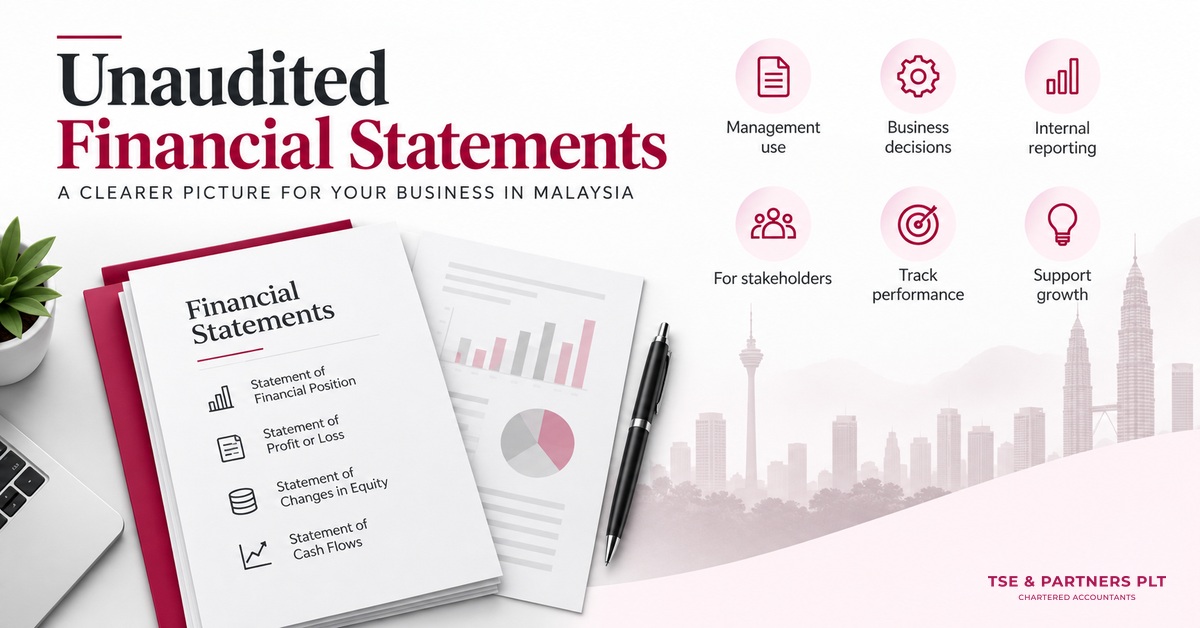
A careful guide to unaudited financial statements in Malaysia, current audit-exemption references, and the difference between preparation and audit.
15 September 2026
Read article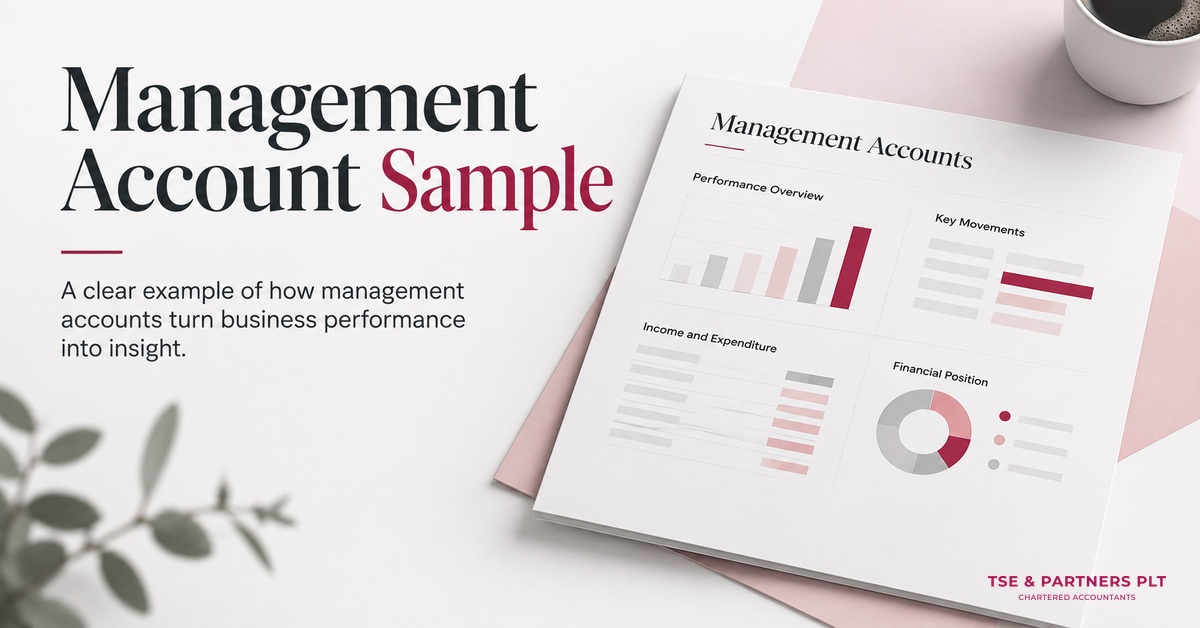
Understand what management accounts can contain, how they differ from statutory statements, and what a useful SME sample should help you decide.
14 September 2026
Read article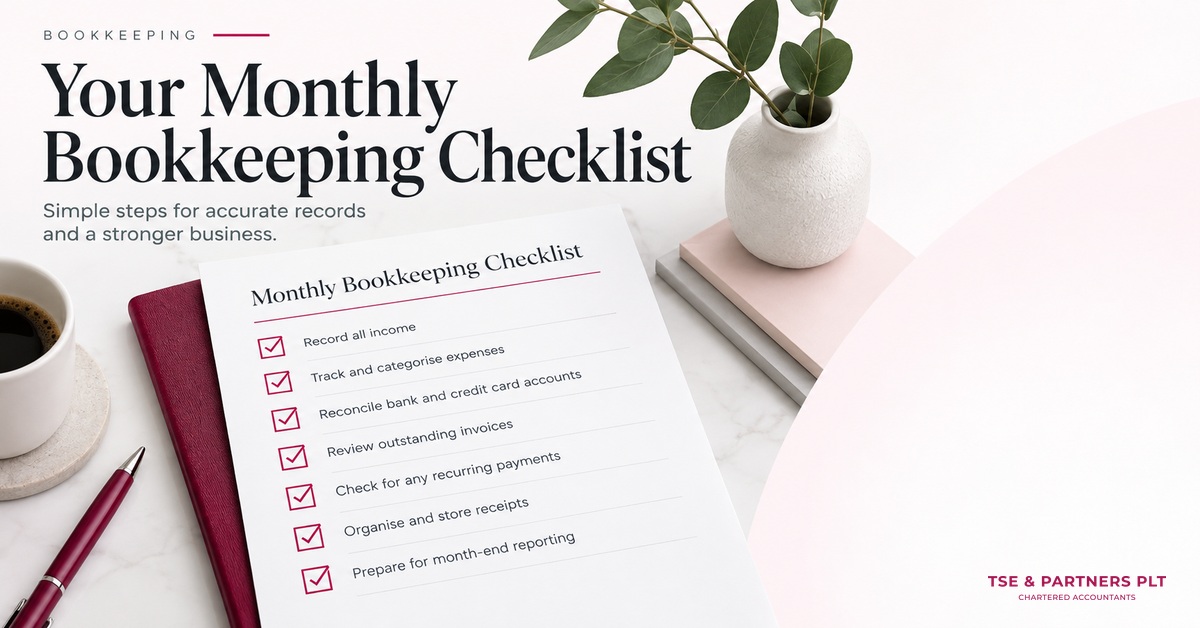
A practical monthly bookkeeping checklist for Malaysian SMEs, with quarterly and annual review points and clear records to prepare.
14 September 2026
Read article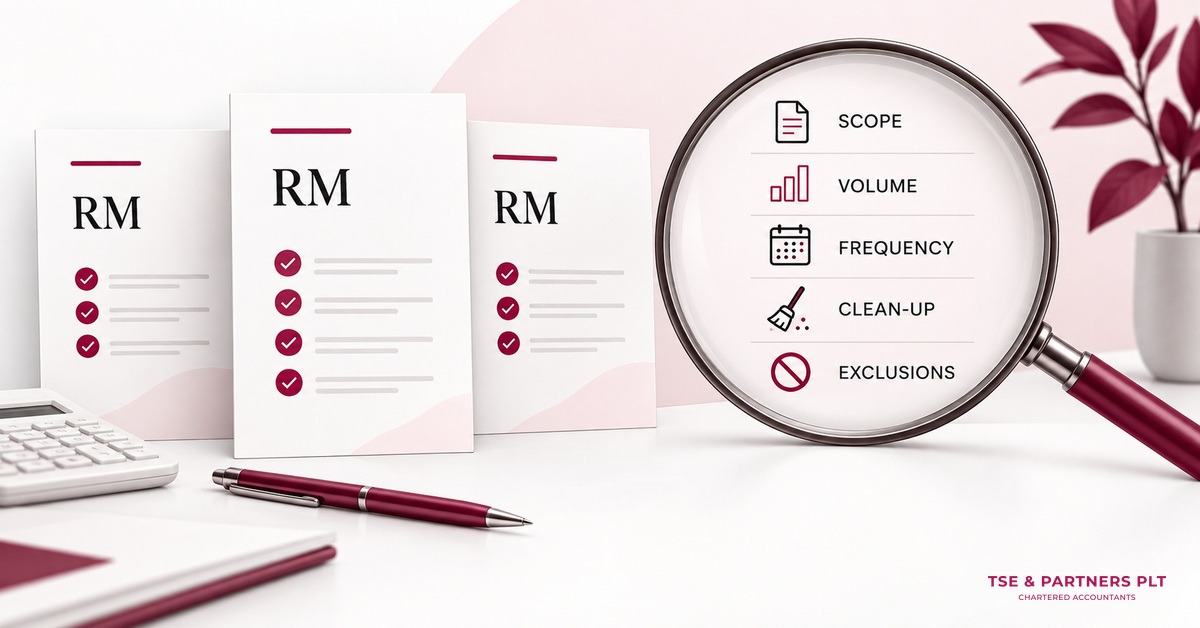
Learn what affects accounting service fees in Malaysia, which tasks belong in a quote, and how SMEs can compare scope without relying on headline prices.
11 September 2026
Read article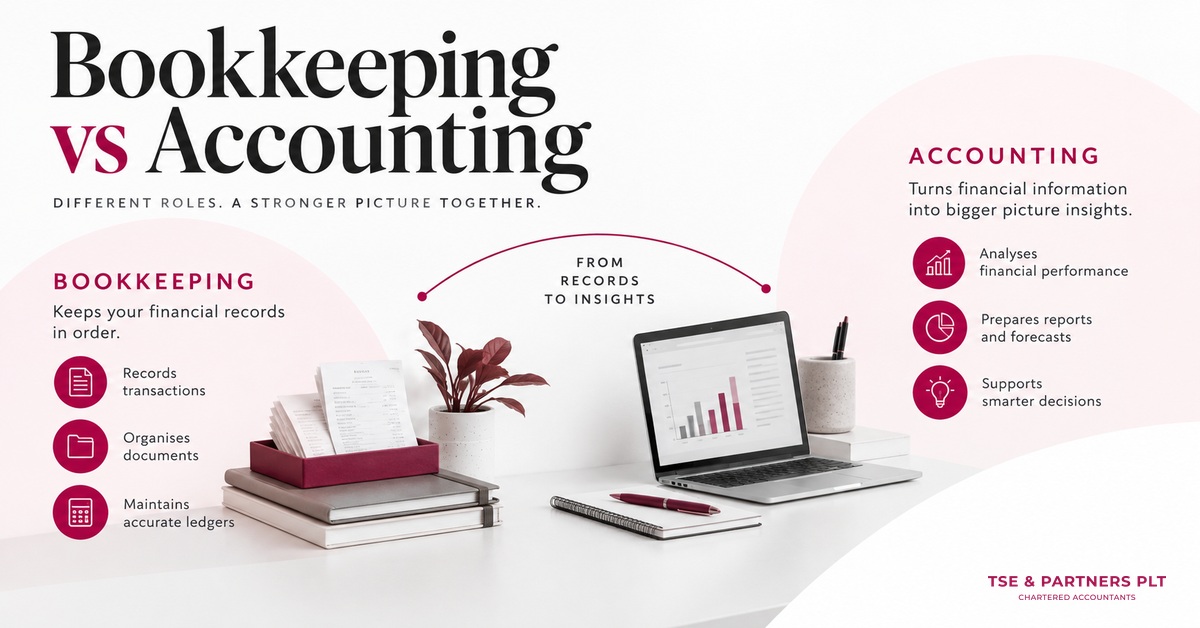
See the difference between bookkeeping and accounting, how records become reports, and what Malaysian SMEs should clarify when choosing support.
11 September 2026
Read article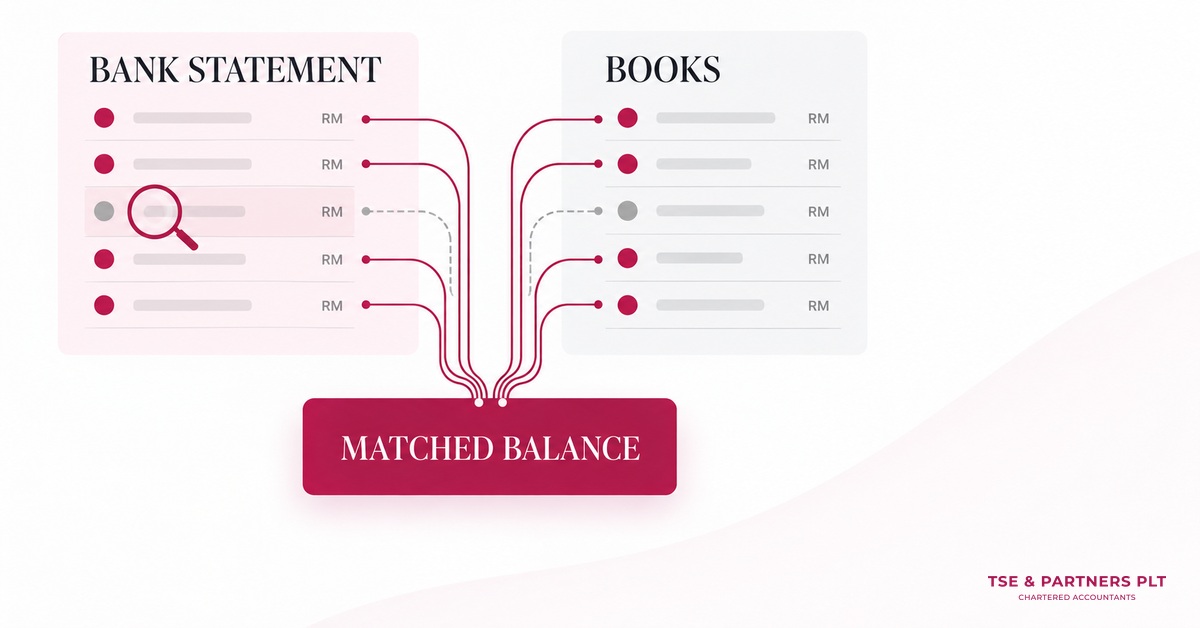
Learn how a bank reconciliation statement works, what to match, and how Malaysian SMEs can investigate common differences with a safe example.
10 September 2026
Read articleBefore you enquire, gather what you can:
The final list depends on the service and period. Share only records you are authorised to share; the associate will explain what is needed next.
Tell us the service, period and record position you want reviewed. TSE & Partners PLT can then explain the associate-delivered scope and the information needed next.
Discuss your accounting needs on WhatsApp